Follow Me On Social Media!

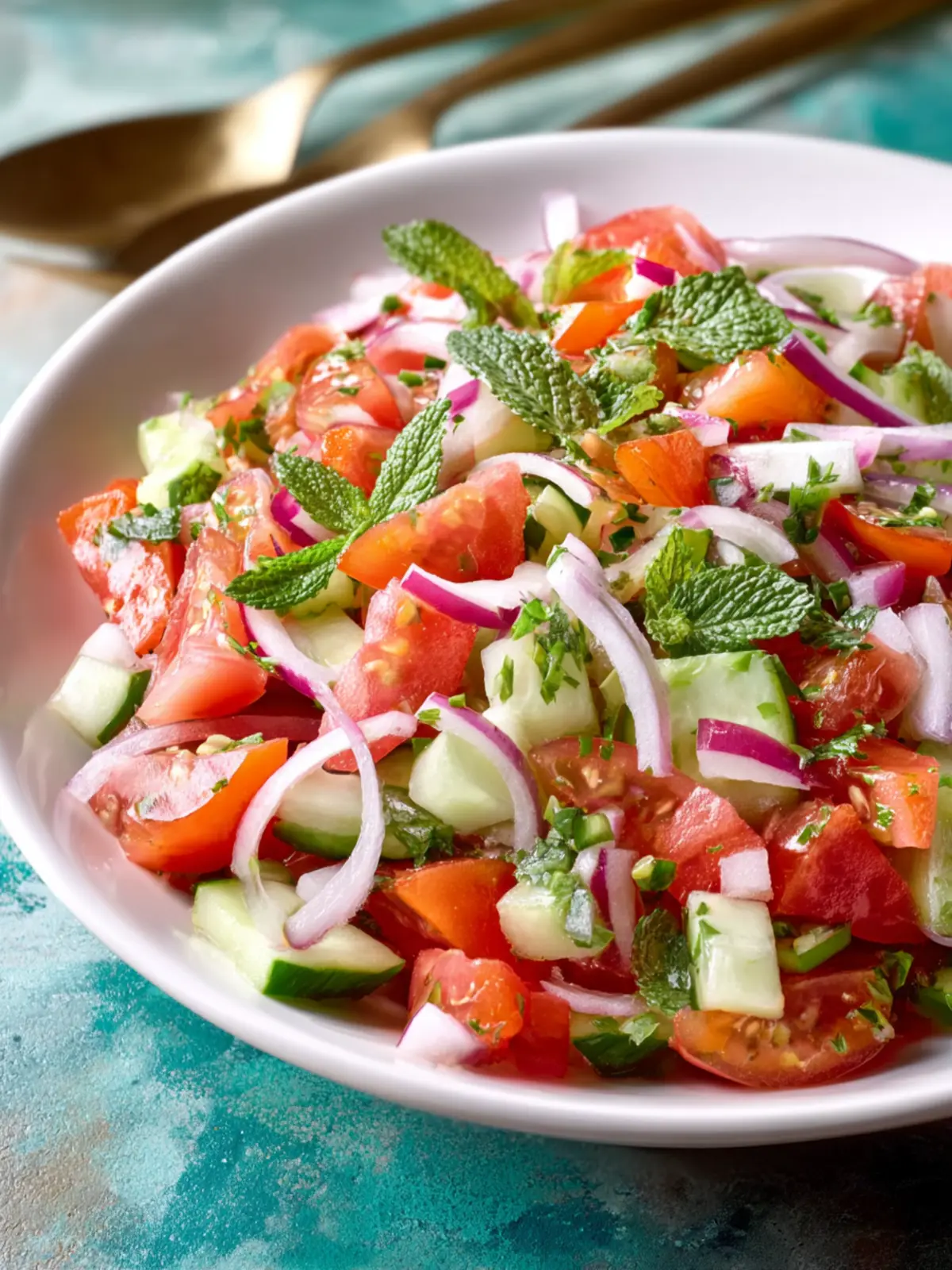
Arabic Salad Bliss: Fresh, Flavorful, and Totally Addictive

Introduction to Arabic Salad
An Arabic salad is more than just a side dish; it’s a vibrant celebration of fresh ingredients that can brighten any table. Imagine crunching into crisp cucumbers and juicy tomatoes while the aromas of fresh herbs waft through the air—this is the kind of experience that can transform a simple meal into a culinary delight. Originating from the Middle East, Arabic salad often embodies the region’s fresh produce and health-conscious diet, making it a staple in countless households.
Have you ever found yourself longing for a meal that’s both refreshing and satisfying? The beauty of the Arabic salad lies in its versatility. You can serve it as a side to grilled meats, use it to complement a rich stew, or enjoy it solo as a light meal. Each bite is a delightful dance of flavors; the tanginess of lemon juice pairs harmoniously with the earthiness of olive oil, while the freshness of parsley and mint delivers a burst of fragrance that awakens the palate.
What makes Arabic salad a delightful choice?
Choosing to make an Arabic salad isn’t just about nourishing your body. It’s a chance to incorporate a medley of nutrient-rich ingredients that are as good for your health as they are delicious. Let’s explore why this salad has earned a spot in the hearts (and kitchens) of many:
- Fresh Ingredients: The heart of Arabic salad is its wholesome components. Fresh tomatoes, crunchy cucumbers, and crisp bell peppers form a colorful base.
- Herbal Enchantment: Fresh herbs like parsley and mint add a refreshing note, elevating the dish from ordinary to extraordinary. They also provide added health benefits, including vitamins and antioxidants.
- Simple Yet Satisfying: With just a handful of ingredients and minimal preparation, you can whip up a dish that’s as satisfying as it is simple.
- Customizable: Whether you prefer to add feta cheese for creaminess or a sprinkle of sumac for a zesty touch, the options are endless for personalizing your Arabic salad.
Incorporating this lively salad into your dining routine not only satisfies your cravings but also brings the rich culinary traditions of the Middle East right to your table. So, grab your chopping board, and let’s dive into the recipe!
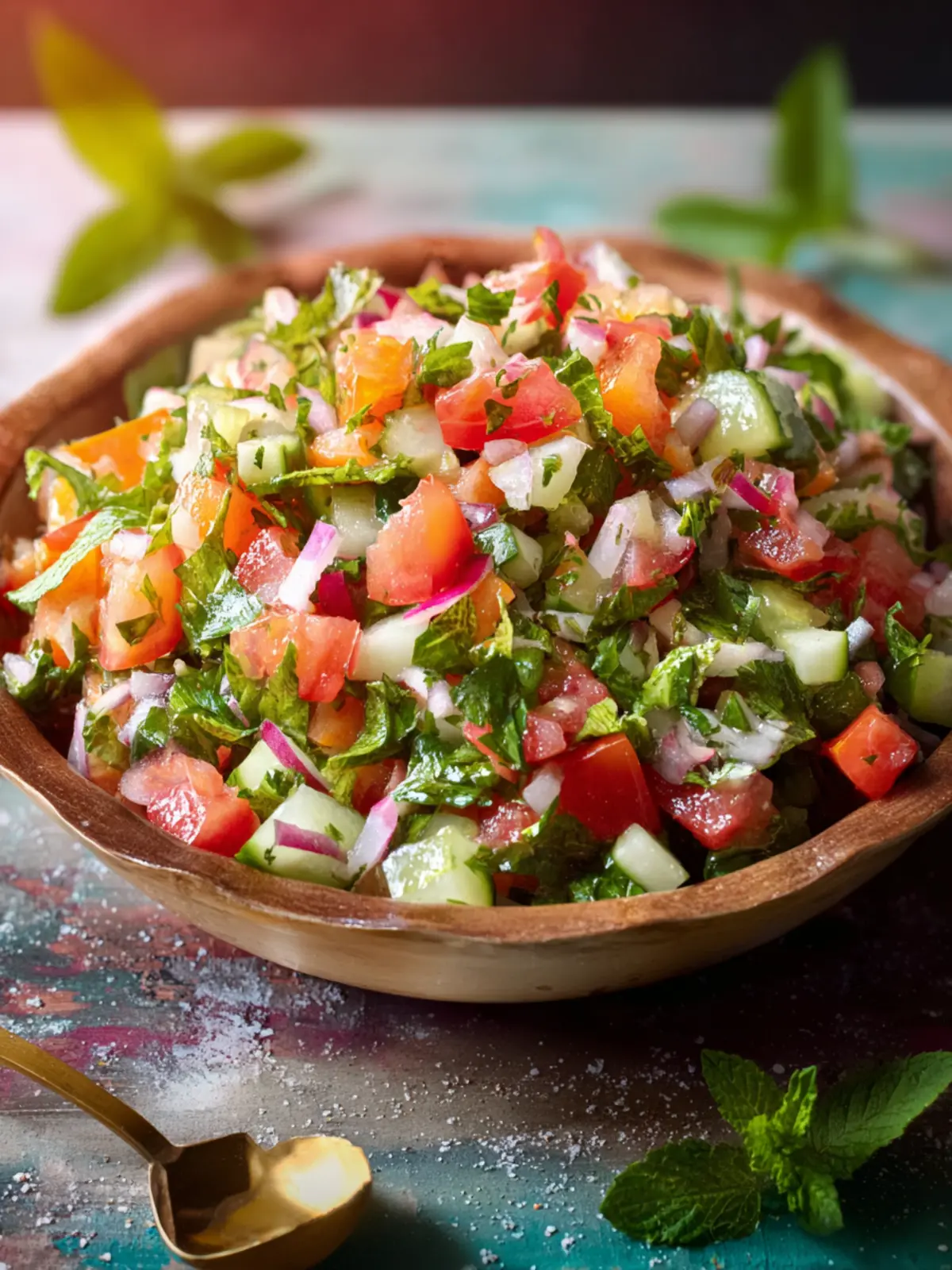
Key Ingredients for Arabic Salad
Fresh Vegetables: At the heart of an Arabic salad are vibrant, fresh vegetables that bring both color and crunch. I love using juicy tomatoes, crisp cucumbers, and fragrant parsley. For a twist, consider adding radishes or bell peppers – they elevate the flavor and texture.
Lemon Juice: A splash of freshly squeezed lemon juice is essential. It not only adds brightness but also helps balance the flavors of the vegetables. I often use the juice of a whole lemon, giving the salad a refreshing zing.
Olive Oil: A good quality extra virgin olive oil is a must. It adds richness and depth to the salad, binding all the ingredients beautifully. I usually drizzle a generous amount over the top just before serving.
Salt and Pepper: A simple seasoning of salt and freshly cracked black pepper is vital. They enhance the natural flavors of the veggies without overwhelming them.
Spices and Herbs: Incorporating spices such as cumin or sumac can add an exciting twist. Fresh herbs like mint or additional parsley not only complement the dish but also provide an aromatic finish.
Why You’ll Love This Arabic Salad
When you dive into the vibrant world of an Arabic salad, you’re not just enjoying a dish; you’re savoring a tapestry of culture and flavor that brings the Mediterranean right to your plate. Imagine sitting at a bustling market in the heart of the Middle East, where the scent of fresh herbs mingles with the aroma of ripe tomatoes and zesty lemons. This salad embodies that experience, making it a must-try for anyone seeking a fresh and fulfilling meal.
A Symphony of Fresh Ingredients
What truly sets an Arabic salad apart is its use of fresh ingredients. Each component, from cucumbers to radishes, adds a unique crunch and burst of flavor:
- Tomatoes: Juicy and sweet, ripe tomatoes serve as the salad’s base, marrying perfectly with other ingredients.
- Cucumbers: Refreshing and crisp, cucumbers bring a satisfying crunch that balances the salad’s texture.
- Fresh Herbs: Parsley and mint not only add color but also give the dish an aromatic lift, transporting you to sun-soaked gardens.
- Lemon Juice and Olive Oil: These two ingredients create a bright, zesty dressing that enhances every bite, making the flavors pop.
Adding this Arabic salad to your meal routine is an easy way to enjoy healthy eating without sacrificing taste. Whether you’re enjoying it as a light lunch or a side dish at dinner, it’s versatile, delicious, and a delightful celebration of fresh ingredients.
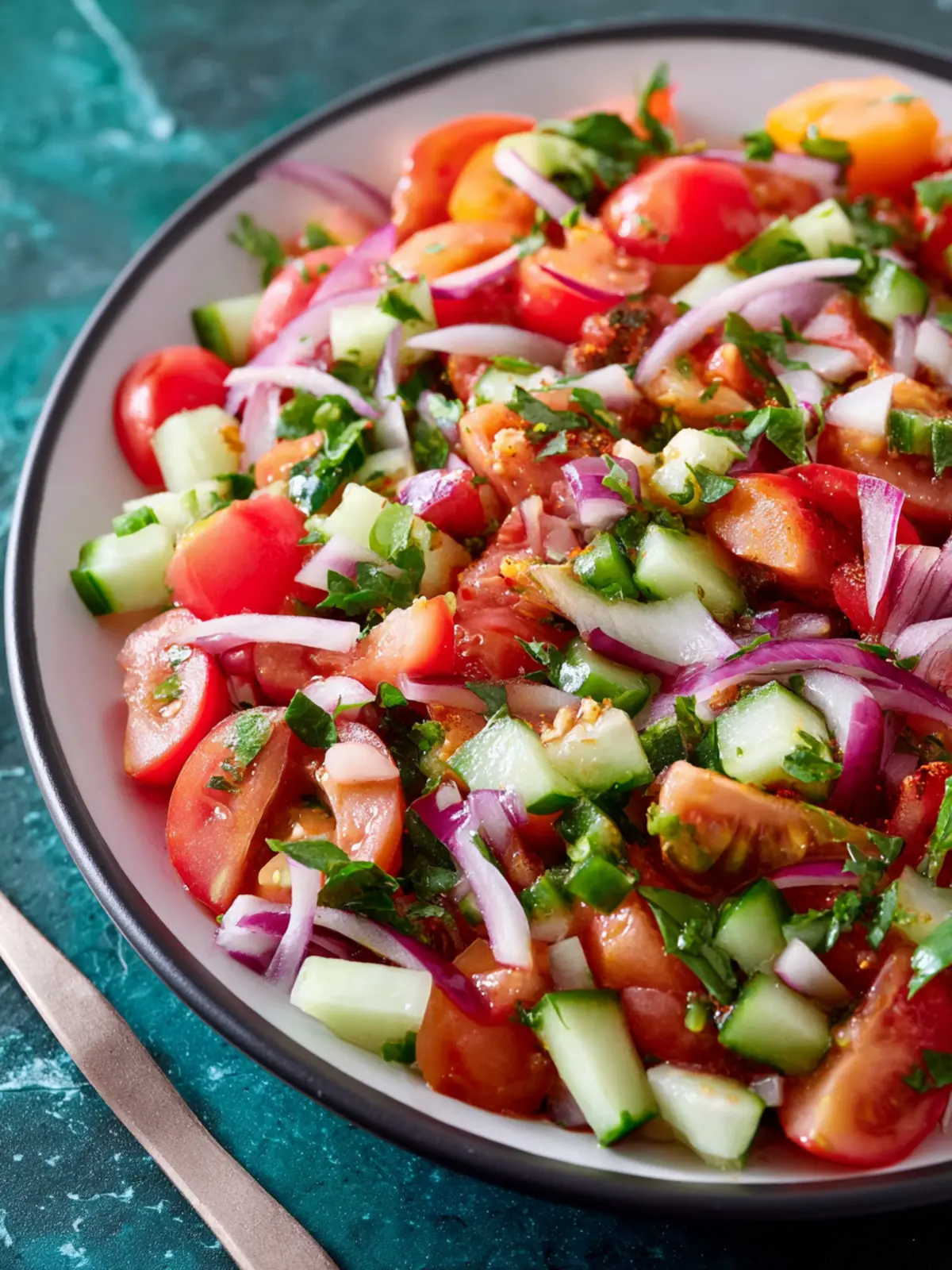
Variations of Arabic Salad
When it comes to Arabic salad, the beauty lies in its versatility. Whether you want to craft a dish that celebrates seasonal ingredients or customize it to fit specific dietary needs, the possibilities are endless.
Seasonal Variations
Spring brings a bounty of fresh vegetables that make the perfect base for your Arabic salad. Think crisp radishes, succulent tomatoes, and vibrant bell peppers. In summer, consider adding juicy watermelon cubes for a refreshing twist or ripe avocados to bring a creamy texture. As the cooler months approach, roasted root vegetables, like beets and carrots, can add warmth and depth to your salad, ensuring that the flavors of your Arabic salad represent the season beautifully.
Protein Additions
To make your Arabic salad even more satisfying, consider adding protein. Grilled chicken or lamb can elevate the dish and make it a hearty meal. For a vegetarian option, include chickpeas or lentils—both are not only protein-packed but also add a lovely earthy flavor. You could also sprinkle on some feta or halloumi cheese if you’re seeking that extra creaminess.
Flavor Twists
Don’t shy away from experimenting with flavors! A splash of pomegranate molasses can introduce a delightful sweetness, while a sprinkle of za’atar can transport your Arabic salad to another level of herby goodness. Consider adding nuts like almonds or pine nuts for an unexpected crunch. Whatever direction your palate takes you, remember that the joy of Arabic salad lies in its ability to reflect your personal tastes and creativity.
Cooking Tips and Notes for Arabic Salad
Creating a vibrant Arabic salad is not just about mixing ingredients; it’s about bringing out the best flavors while enjoying the process. Here are some helpful tips to ensure your salad shines on the table.
Preparing the ingredients
The key to a refreshing Arabic salad starts with the quality of your ingredients. Fresh vegetables like tomatoes, cucumbers, and bell peppers should be firm and vibrant in color. Consider chopping your veggies uniformly for a beautiful presentation. Let’s not forget the herbs! Fresh parsley and mint brighten the dish. To enhance flavors, make a simple lemon and olive oil dressing that harmonizes beautifully with the veggies.
How to store leftovers
If you’re fortunate enough to have some Arabic salad left over, store it in an airtight container in the refrigerator for up to two days. However, it’s best to keep the dressing separate until you’re ready to enjoy it again, as this preserves the salad’s crunchiness and freshness.
Customizing for different dietary needs
Making this Arabic salad your own is easy! For a vegan option, stick to the fresh veggies and herbs. If gluten-free is your goal, rest assured that this salad is naturally gluten-free. You can even add chickpeas or quinoa for an exciting protein boost! Feel free to adjust the dressing’s ingredients according to your taste, as it’s all about personalizing the flavors. Enjoy every vibrant bite!
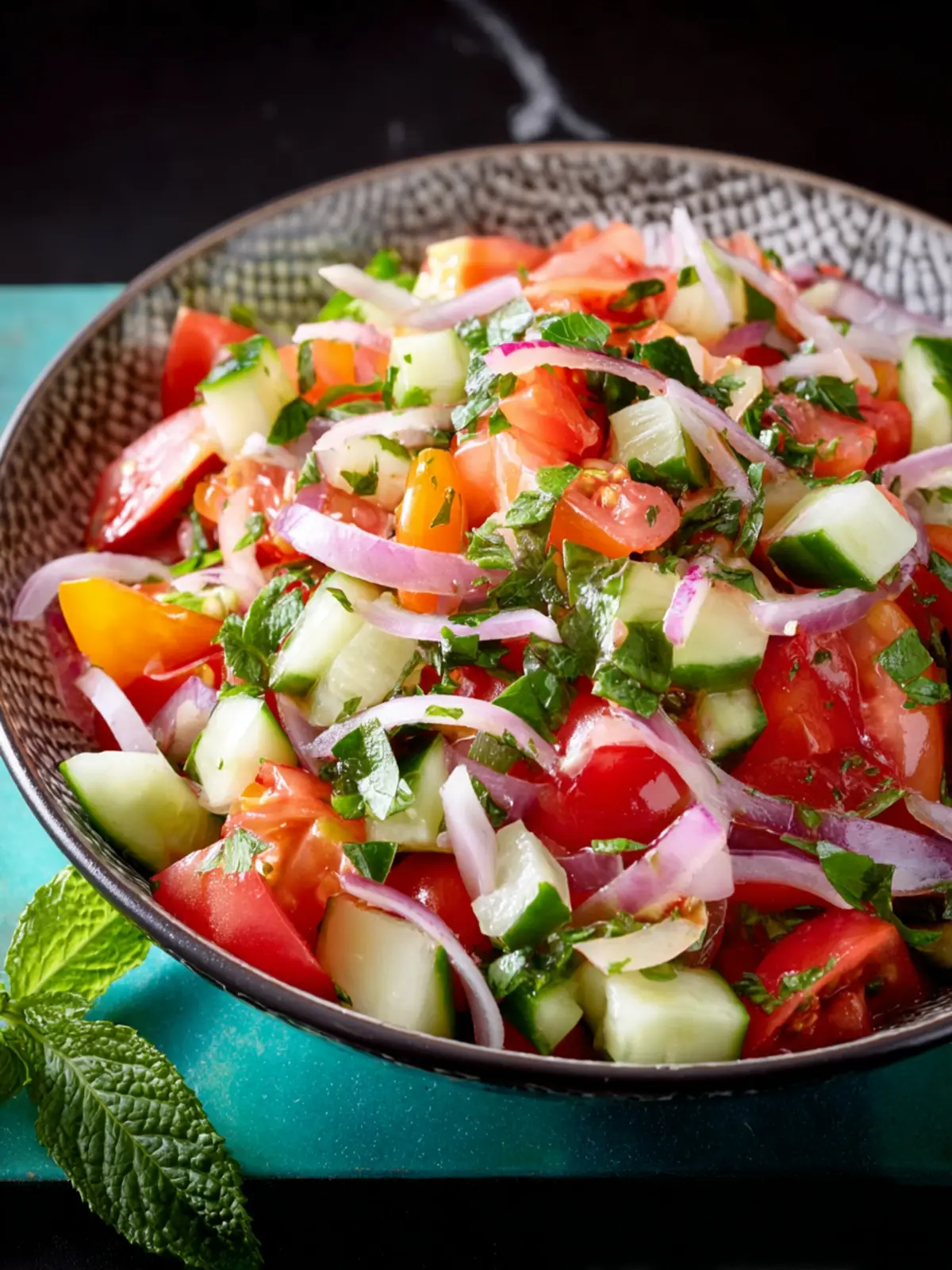
Serving Suggestions for Arabic Salad
Arabic salad isn’t just a dish; it’s a vibrant celebration of flavors and freshness that can elevate any meal. With its combination of crisp vegetables, fragrant herbs, and zesty dressing, finding the perfect pairing and presentation for this salad can truly enhance your dining experience.
Perfect pairings
To complement the Arabic salad, consider serving grilled meats like shawarma or kebabs. The smoky flavors beautifully contrast with the refreshing elements of the salad. Alternatively, pair it with falafel for a delightful vegetarian option. You can also toss in some* feta cheese* for an added creamy texture or serve alongside warm pita bread for a comforting Mediterranean feast.
Plating ideas
When it comes to presentation, the vibrant colors of the Arabic salad deserve to shine. Use a large, shallow bowl to allow the salad’s colors to pop. Garnish with a sprinkle of sumac or fresh parsley for added visual appeal. For a more modern touch, serve individual portions in glass cups, layering the vegetables for a stunning display.
Meal prep tips
For those busy weekdays, prepping your Arabic salad in advance can be a lifesaver. Chop your vegetables and store them in airtight containers in the fridge. Keep the dressing separate until you’re ready to serve to maintain freshness. This way, you can quickly assemble your salad when you need a nutritious boost without the hassle of extensive preparation. By making these small adjustments, enjoying your Arabic salad becomes an easy and delightful experience.
Time Breakdown for Arabic Salad
When it comes to preparing a refreshing Arabic salad, understanding the time involved can make the process seamless. This vibrant dish not only boosts your meals but also enriches your cooking experience.
Preparation time
Getting everything ready for your Arabic salad is quick and straightforward—expect to spend about 15 minutes chopping and assembling the fresh ingredients. The beauty of this dish lies in its simplicity, so make sure to have your vegetables prepped for the maximum crunch and flavor.
Total time
From start to finish, your journey with Arabic salad will take around 20 minutes. This includes the brief preparation time and any final touches you might want to add, like a drizzle of lemon juice or a sprinkle of fresh herbs. Perfect for a busy weeknight or an unexpected guest!
Nutritional Facts for Arabic Salad
Step into the world of Arabic salad, where fresh ingredients not only create a vibrant dish but also pack a punch of nutrition. This salad is a delightful medley of flavors that supports a healthy lifestyle.
Calories
A serving of Arabic salad typically contains around 150-200 calories, making it a light yet filling option for lunch or dinner.
Fiber Content
Thanks to its rich assortment of vegetables like cucumber and tomatoes, Arabic salad offers a fantastic source of dietary fiber—approximately 6-8 grams per serving. This helps support digestion and keeps you feeling satisfied.
Vitamins and Minerals
This salad is a powerhouse of vitamins and minerals. It’s brimming with:
- Vitamin C: from tomatoes and bell peppers, boosting your immune system.
- Vitamin A: from fresh greens and parsley, great for skin and eye health.
- Potassium: vital for heart health, found abundantly in cucumbers.
- Folate: which supports cell function, provided generously by leafy greens.
Indulge in Arabic salad not just for its taste, but for its remarkable health benefits that contribute to a well-balanced diet. Enjoying these fresh ingredients is a simple step towards a healthier you!
FAQs about Arabic Salad
What can I add to make it more filling?
When it comes to creating a heartier Arabic salad, adding protein is a fantastic way to elevate your dish. Consider tossing in:
- Chickpeas: These not only add protein but also fiber, making your salad more satisfying.
- Grilled Chicken or Fish: Slices of grilled chicken breast or fish fillets can provide a savory touch and more substantial meal.
- Feta Cheese: Crumbled feta brings a creamy, salty flavor that complements the fresh veggies beautifully while adding protein.
- Nuts and Seeds: A sprinkle of toasted almonds, walnuts, or sunflower seeds can offer crunch and healthy fats.
Can I use different herbs?
Absolutely! While the classic Arabic salad features parsley and mint, feel free to mix it up based on your taste preferences. Fresh herbs such as cilantro, dill, or basil can add unique flavors. Don’t be afraid to experiment—herbs can completely transform the character of your salad, making each version a delightful new experience.
How long does the salad last in the fridge?
An Arabic salad is best enjoyed fresh, but if you have leftovers, they can typically last in the fridge for about 2–3 days. To maintain freshness, store it in an airtight container. Just keep in mind that ingredients like tomatoes can release moisture, so you may want to consume your salad sooner rather than later for optimal crunchiness. If possible, consider adding dressing just before serving, as this can help prevent sogginess.
Conclusion on Arabic Salad
Incorporating Arabic salad into your meal plan is not just a culinary choice but a delightful journey into the rich tapestry of Middle Eastern flavors. With simple yet vibrant ingredients like fresh tomatoes, cucumbers, and zesty lemon dressing, this dish stands as a testament to healthy eating without compromising on taste. It’s perfect for gatherings or a refreshing side to your favorite mains. The crunchiness of the vegetables paired with the tangy dressing makes every bite a celebration of freshness. So go ahead, whip up this Arabic salad, and enjoy a dish that nourishes both body and soul!
Print
Chopped Salad
- Total Time: 15 minutes
- Yield: 4 servings 1x
- Diet: vegetarian
Description
A fresh and vibrant chopped salad with tomatoes, cucumbers, and a zesty dressing.
Ingredients
Scale
- 4 tomatoes
- 2 cucumbers
- 1 red onion
- 6 radishes
- 1 cup parsley (chopped)
- 3 tablespoons olive oil
- 1 lemon (juice of)
- 1 teaspoon kosher salt
- 1/4 teaspoon black pepper
Instructions
- Chop the tomatoes, cucumbers, red onion, and radishes into small, even pieces and place in a large bowl.
- Add in the parsley as well.
- Drizzle with olive oil and freshly squeezed lemon juice.
- Season with salt and black pepper and toss well to combine.
- Taste and adjust seasoning if needed. Serve immediately.
Notes
- For extra flavor, consider adding feta cheese or olives.
- Prep Time: 15 minutes
- Category: salad
- Method: no-cook
- Cuisine: Mediterranean
Nutrition
- Serving Size: 1 bowl